
Confirmation bias: seeing what you already believe
Confirmation bias is the habit of reading only what agrees with you, and it turns a car search into a hunt for reasons, until you go looking for the strongest case against.
- autopilot
- hermes
- thinking-traps
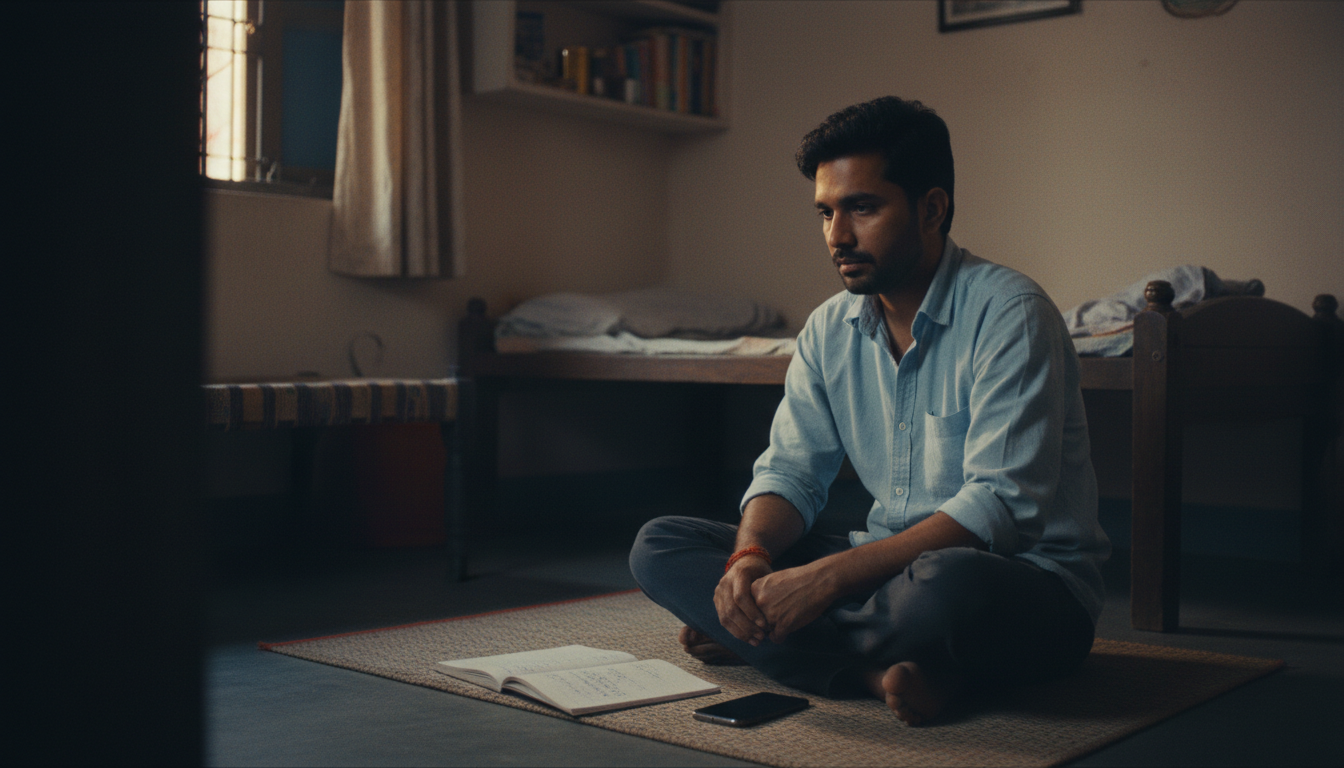
You have opened the same used car listing four times this week. Every review you read said the same good things about the same hatchback, and the one comment that called the clutch heavy you closed after two lines, because the man clearly did not know how to drive. The other car on your shortlist has not had a single tap. The decision is nearly made, and the reading did not make it.
That pattern has a name. Confirmation bias is the habit of looking for what agrees with what you already believe, and quietly skipping what does not. The searching feels even. It is not. By the second evening you are no longer comparing two cars. You are collecting reasons for the one you have already picked.
The psychologist Peter Wason showed this in his experiments. He handed people a rule and asked them to test it, and his participants went looking for the cases that would prove the rule right, almost never for the case that would prove it wrong. That second case is the only test that can change your mind.
Watch how it runs on. On Wednesday you tell a friend you are buying the car. He asks one question: what does the other one do better? You have nothing ready, so you fill the gap with a reason. It is better built, you say. That sentence is not something you checked. It is the shape of the hole where the missing evidence should be.
This is where the model changes the decision. You do not stop trusting your own judgement, and you do not spend a month on it. You change one move: you read for the strongest case against, not for agreement. Same app, same ten minutes, a different search. Type the word "problems" next to the car's name. Open a one-year owner review. Read the post from someone who sold theirs. You are not picking a fight with yourself. You are checking whether your reason survives the people who actually live with the thing.
Where it stops. You can run this move until nothing gets decided, because no car, no course and no job is flawless. A person who reads only the complaints is doing the same one-sided search with the sign flipped. The aim is not to find the worst case. It is to make sure the case against was actually heard before you paid.
One thing to try before tonight. Take the decision you have already half-made: the car, the course, the phone. Write one line: what would have to be true for the other option to be the better one? Then run one search for exactly that, and read the first three results properly, including the ones you dislike.
This is a way to think, not financial, medical or legal advice.
Each Sunday: one mental model and one real decision to try it on. The model library is at /models.
One model a week.
Each Sunday: one mental model and one real decision to try it on. One click stops it, and the list is never sold or shared.