
The zero-price effect: what 'free delivery' costs
The zero-price effect is how the word free pulls harder than the saving is worth, tried here on a grocery cart that grew to reach free delivery.
- money
- autopilot
- hermes
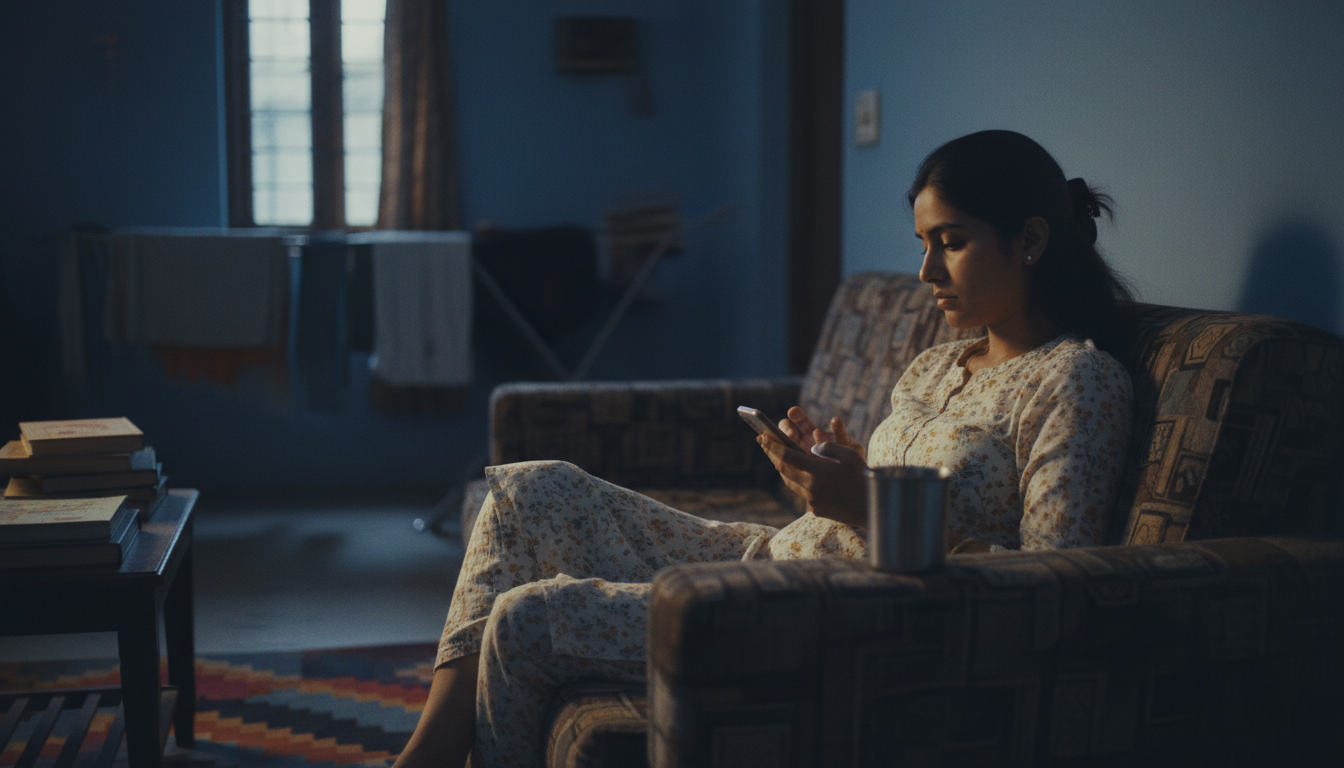
Meera is on her sofa in Pune with a grocery cart of 250 rupees: atta, curd, a packet of poha. The app says delivery is 40 rupees, and free above 499. She looks at the 40 rupees and feels a small sting. So she adds a face cream for 180 and a snack box for 120. Now the cart reads 550, and the delivery line says FREE in green.
She feels clever. She saved 40 rupees. Look at the cart again, though. She spent 300 rupees more to avoid paying 40.
What the model is
The zero-price effect is this: when something drops to exactly zero, it looks far better than a small price does, even if the real saving is small. Free is not just a very low price. It feels like a different thing, with no risk and nothing to regret. The idea comes from the researchers Kristina Shampanier, Nina Mazar and Dan Ariely, who studied how people react when a price falls to zero.
The cart, step by step
Take Meera's cart and do the plain arithmetic.
- Cart without the extras: 250 rupees, plus 40 delivery, so 290 rupees out of her pocket.
- Cart with the extras: 550 rupees, delivery free, so 550 rupees out of her pocket.
- The difference: 260 rupees more to save 40.
Now ask the one question that matters: would she have bought the face cream and the snack box this week anyway? If the cream was already on her list, the extra spend is not extra. She was always going to pay for it, and the free delivery is a real, small gain. If she picked them only to cross 499, then 300 rupees went out the door to avoid a 40 rupee fee.
The same pull shows up elsewhere. A free gift with a purchase makes a 1,200 rupee thing feel like a bargain, because the gift costs nothing. Buy two, get one free makes you carry home a third shampoo bottle you did not need. In each case the word free is doing the persuading, and the price of the thing is not.
Where the model stops
Free is sometimes genuinely the better deal. If delivery is 99 rupees and you need 400 rupees more of things you buy every month anyway, topping up the cart is sensible. The model does not say never chase free. It says do not let the word decide for you. Also, it is not about being stingy: a free gift you will truly use is worth something, and you can say what.
One thing to try today
Before you add anything to reach a free-delivery line, or accept a free gift, write two numbers on your phone: the price of the free thing, and the extra you must spend to get it. If the extra spend is bigger than the price of the free thing, and you did not already plan to buy those items, take the delivery fee and move on.
This is a way to think, not financial, medical or legal advice.
Each Sunday: one mental model and one real decision to try it on. Find more in the /models library.
One model a week.
Each Sunday: one mental model and one real decision to try it on. One click stops it, and the list is never sold or shared.